Friday, 20 May 2022

MODI@20 My thoughts

 MODI@20 (COURTESY DELHI GUARDIAN-17 MAY 22)

STYLES OF LEADERSHIP-A MILITARY POINT OF VIEW

While watching the Modi@20 book release function on a news channel, it occurred to me that I was perhaps one of the few retired senior officers of the Military who had the opportunity to observe Modi closely for nearly four years in Gujarat. It was in 2010 when I was sitting through the interview of potential civil servants at the UPSC, that I was head-hunted by a polite senior technocrat to advise the Govt of Gujarat on an exciting infrastructure project. Having been at sea most of my naval career and having had enough to do with the bureaucracy at Delhi, I politely declined his offer. Suffice it to say, he was persistent and with a broad smile, he asked me to check the details of the project which was to be built across the Gulf of Khambat. Mesmerized by the sheer audacity of the thought behind the project, I set conditions for my acceptance, the first being that I would not report to any bureaucrat but the Adviser to the CM. I knew next to nothing about the CM.

Within the month I was in. The following four years were perhaps the most rewarding from the point of view of submitting reports based on interactions with the best experts in about 100 different areas that directly contributed to the preparation of a detailed Project Report. I resigned the week when Modi decided to head to Delhi only because the project had completed about 90 % of the compilation and I knew that without the firm hand of the CM at the wheel, it was doomed to be consigned to the bins of the bureaucracy. To those who may doubt the intent of my piece, in the preceding 8 years neither have I met Modi nor interacted with him in any which way. So, here is my take on his leadership as seen through a Military lens.

While I was determined to make my teamwork in a timely and disciplined manner, I noticed that the bureaucracy had gotten used to arriving on time and submitting reports as scheduled. The progress of files was monitored through an app at the CM's office. In all my decades of dealing with the MOD, I had rarely, if at all, seen the disciplined and time-bound progress of files.  Decision-making was swift. Most senior civil servants who were not used to computers were struggling to make PowerPoint presentations to the CM. I needed to submit my work to the Technocrat, who was experienced and senior and the decisions of the CM were recorded before I returned to Ahmedabad in 10 days. For the first time in a long career, I did not have to wait outside anyone’s office. Seemingly controversial recommendations against “conventional wisdom” of governance were not questioned except on one occasion in four years.

The CM while fully au fait with the project, was dealing with multiple issues of governance including live video conferences with Panchayat level leadership. Styles of leadership is a favourite Military theme. Having seen many top leaders of our own Military, I was able to observe the leadership traits of the CM from the sidelines without being hagiographic.

Consequently, the question that arose in my mind is how could a person not exposed to formal education and experience with Governance, be so well versed with data, facts and ask all the right questions on the subject.  So I began to compare his style with the best military leaders of my time-about 40 years-and was able to find answers to most questions. Ironically, however, the Military officers were all trained and exposed to styles of leadership before they ascended the ladder, step by step. Ergo, what then was this Modi model all about?

It has taken many years of observation after he took over as PM and despite the fact that I had predicted that Gujarat was not Delhi and that the bucket of crabs in Delhi would soon pull him down; I have had to eat my hat!

The only logical answer to my question is that serving as a pracharak gives one a rare opportunity to watch and study while working with the common man. I looked for documentation on how a pracharak is selected for grooming and traveling overseas. Modi grabbed every opportunity to watch and learn. I am yet to see a document on moulding a pracharak. Service before self, India first, and welfare of the citizen (read soldier) are all Military values too. The pracharak learns how to be professional and disciplined and not to look for gains both material and financial. Dedication to the cause that has served the Military through the decades is a very similar model.

Have you wondered why Modi walks like a soldier and more importantly salutes like one? Is he a complete package with no flaws? Of course not, but neither did I meet one in the Military-even as I adored just a few.


Sunday, 10 April 2022

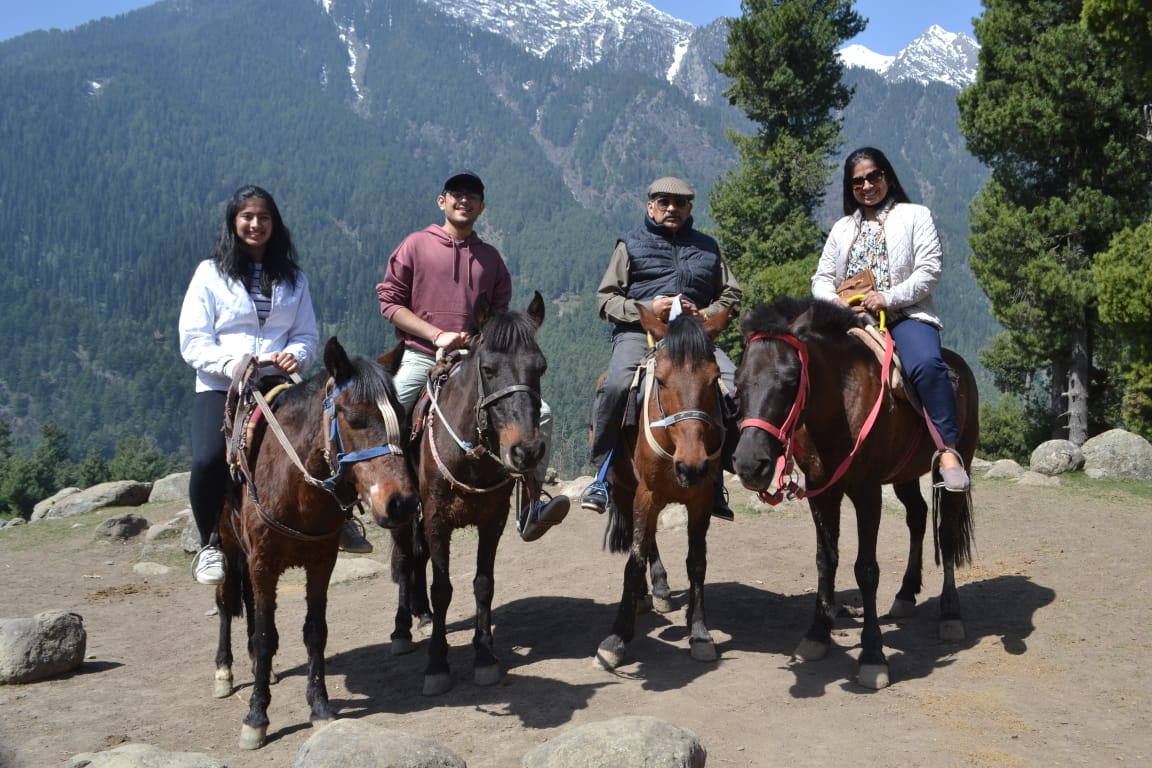
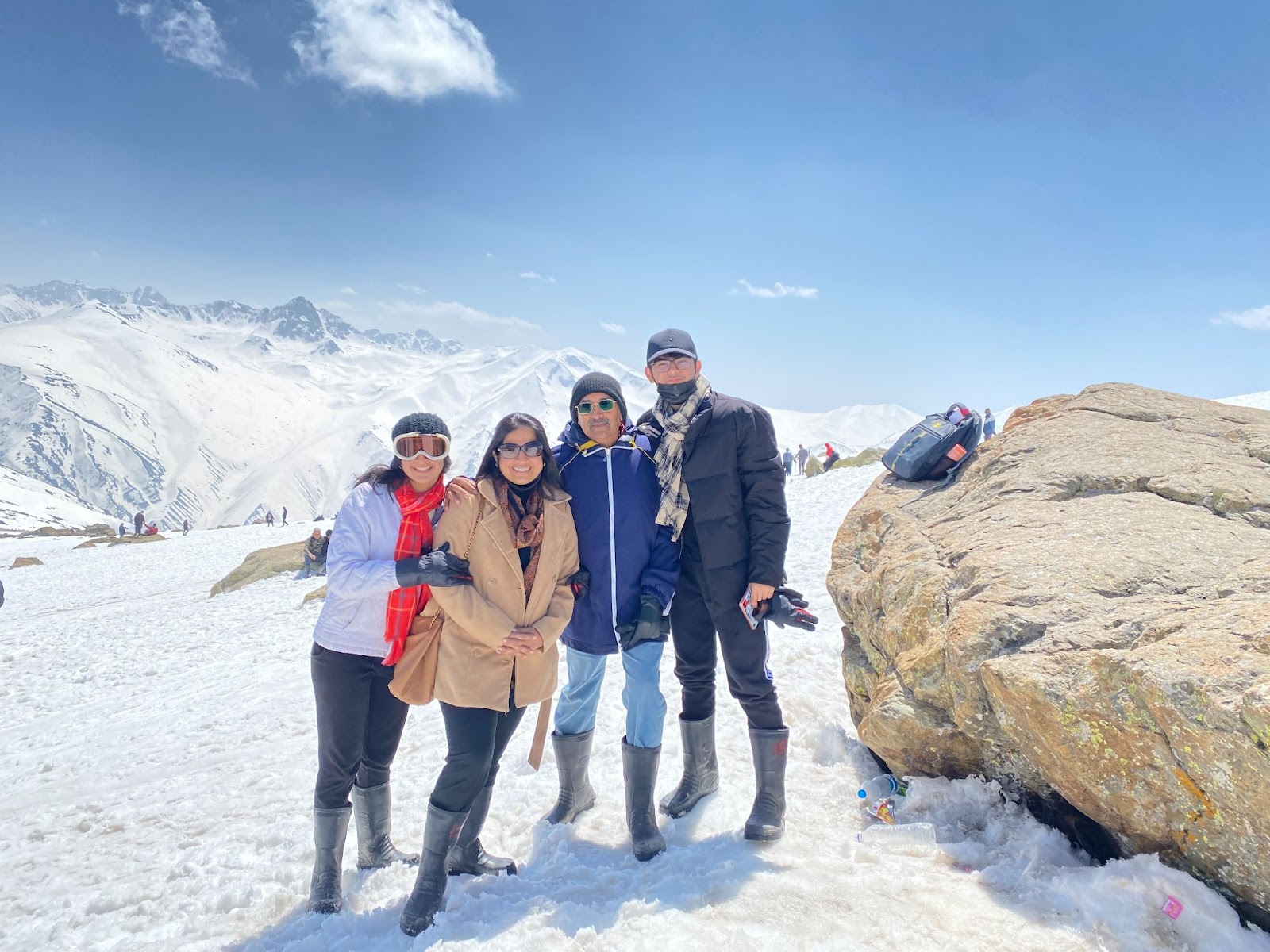
 OUR SOJOURN IN KASHMIR-MARCH/APRIL2022

The idea of visiting Kashmir was as novel as it was timely. My grandson Raihan was about to enter the portals of an American university in autumn. He had never visited the valley which is often called the Switzerland of India.  Ironically, he had visited Switzerland a couple of years ago. Ergo, a plan was hatched to spend time at Srinagar, followed by a quick dash to Pahalgam and thence to Gulmarg. The security concern in the valley was a factor while planning this visit. It was soon relegated to the lowest priority during the visit. Having visited the valley two decades ago, it was gratifying to see the sheer number of tourists; as per official estimates 1.8 lakhs and increasing by the month. All flights in and out of Srinagar were packed to capacity. Tourist buses and taxis were pouring in along with private cars from various parts of India. 

For the local population, this has provided ample opportunities to rise to the demands of unprecedented pressure on accommodation, transportation, and marketing of their precious wares from the Dal Lake to the dizzy heights of 14000 feet. Let me describe our experience on each of these critical factors that may assist those who are fence-sitters and those who rely only on the Electronic and print media to gauge the mood of the people of Kashmir before finalizing their itinerary.


On paper, there are all kinds of accommodations to suit the purse of tourists from all segments of society. The most expensive 5* hotels were the first to declare “sold out”. At the peak of mid-March to early April one couldn’t get a room even for one night at a princely cost of Rs40000 a night (Excluding GST). However, boutique hotels with limited rooms but with personalized service were available, but by no means at the rates known earlier. Typically, visiting websites with exaggerated colour pictures of boarding and lodging facilities may not be the best option to exercise while booking. Local knowledge and/or consultations with recent visitors are essential to avoid surprises of the unwelcome kind.

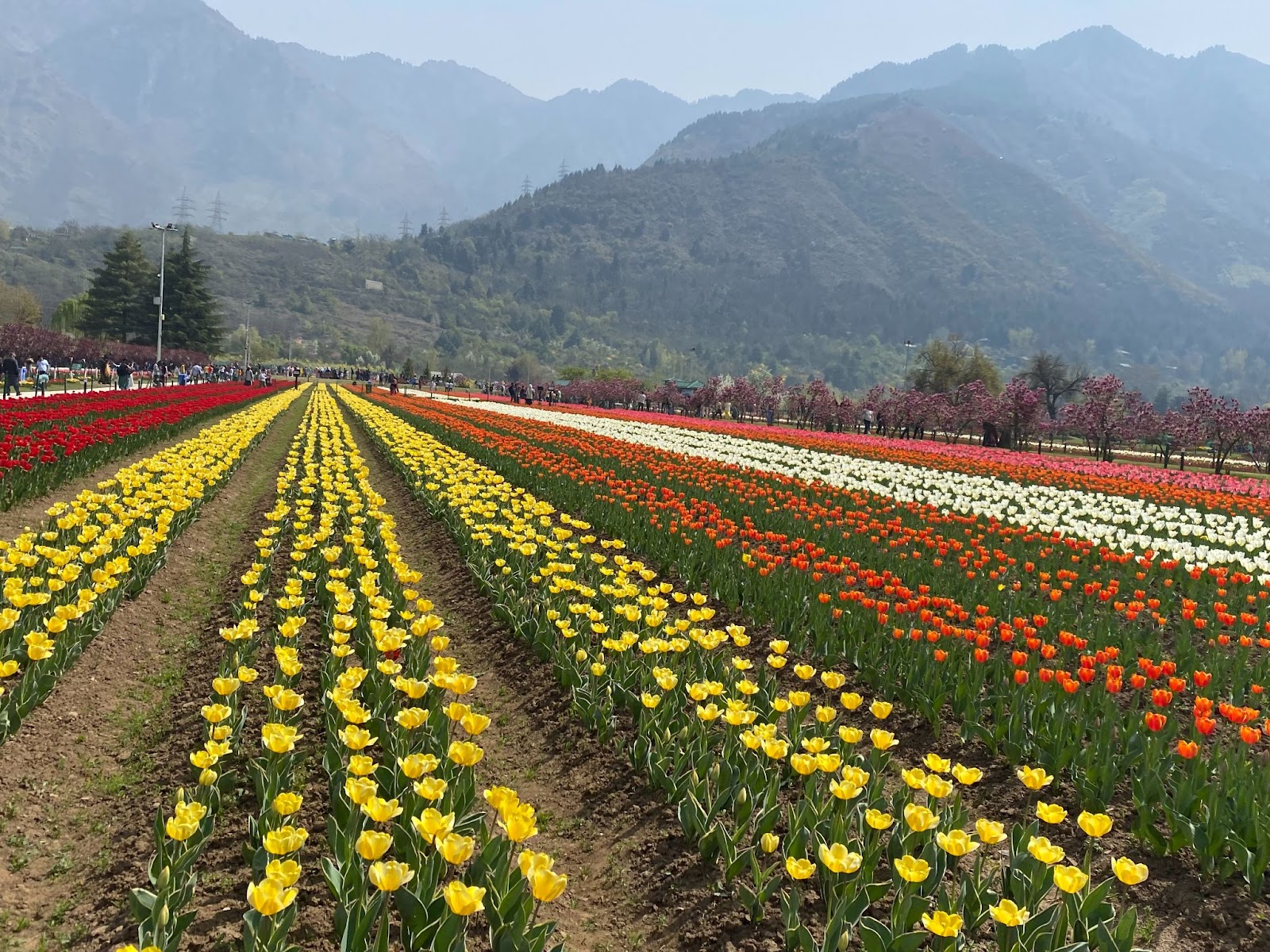
An associated factor linked to the availability of suitable accommodation is the oft-repeated question of when you should visit the valley. The short answer is through the year, depending on one’s predilections!  Strictly, the valley at its coldest in December with the heaviest snowfall is avoidable. The famous Tulip Garden is in full bloom only for a month in April. But the beautiful flowers and fruits are best viewed in July/August. If fresh snow is to be experienced, it is after October. Every week after Mid-March the next snowfall would entail proceeding to higher reaches to enjoy the sights of snow peaks. For instance, the second-highest skiing slopes in the world are off Gulmarg-about a two-hour drive from Srinagar. The cable car first takes you to about 10000 feet and to 14000 should you wish to access more snow. In April, the first stage may disappoint those who wish to roll in snow as it starts to rapidly melt. In this case, the second stage becomes a must-see destination.


In terms of organization and facilities, be warned that the mere availability of rooms at the expensive hotels at Gulmarg does not guarantee easy access to the cable car. The peak season implies that the wait at the cable car station in a long winding queue could be as long as 2hours to 3 hours if you are lucky to obtain tickets through the internet. Agents abound, but strict security and safety measures discourage VIPism. There are no small prints that tell you all this. Most tourists exit Gulmarg the same day. Taxis from Srinagar are not permitted to ply in Gulmarg beyond the pickup and drop zone. In brief, there are no local residents at Gulmarg. Tangmarg is the nearest township at the foothills. Unlike in Srinagar where digital money transactions happen, there is a need to use cash at the upper regions of hills-partly due to connectivity and largely due to ignorance among senior citizens of service providers. The new generation is tech-savvy.

Foreign tourists arrive after a fresh snowfall, mainly to ski. In any event at Gulmarg, the existing boarding and lodging infrastructure is very limited to cater to routine Indian tourists. That is likely to change when the new infrastructure plan for Kashmir kicks in. Upgrading tourist infrastructure to meet international standards would go a long way to put Gulmarg on the world map. 


Transportation is a critical cog that turns the tourist wagon wheel. Hired cars for city use for quick inter-town visits with a guide are available. However, during the peak season, the traffic is chaotic and palpably dangerous as traffic rules and road discipline are conspicuously absent in their practice. The most sought-after location of the Tulip Garden may take long to access but the pain is soon forgotten when the magnificent burst of colours hit your retina. The redeeming feature may well be loud but musical overtones of the Kashmiri language with little or no threat of a physical confrontation caused by road rage as witnessed in other cities. The only noticeable absence is the products of Mahindra on the roads. Almost all drivers claimed that the extreme winter conditions pose technical problems such as starting- not encountered by other brands.


Handicrafts and weaving skills of the people of Kashmir appear to be intact despite the negative downstream effects of the pandemic and decades of political instability. It would appear that a few good years of tourism and up-gradation of infrastructure along with an economic upturn accompanied by the entry of industry would see the emergence of a new Kashmir. 

Finally, more than staying in a static houseboat with all its novelty, a boat ride on the Dal lake opens an entirely illuminating experience of storytelling, community marketing, exposure to delicate and stunning homemade handicrafts, and insight into the traditions and culture of the valley. Salesmanship using charm, linguistic skills, resilience, and sheer perseverance are on display at all times. A visit is worth more than reading books on sales and marketing. It was exhilarating, invigorating, and breathtaking. “……hameen ast  o hameen ast o hameen ast”. Right?


Monday, 10 January 2022


GEO-POLITICS OF COLD WAR -HOW IT IMPACTED THE INDO-PAK MARITIME OPERATIONS IN 1971 
( First Published in a CLAWS book titled "Bijoy with synergy: India-Pakistan war 1971)

The oft-repeated story of the historic attack off Karachi, by the Indian navy in December 1971, has broadly focused on the strategic and tactical brilliance of its concept and execution. The severe blow to the Pakistan Navy so early in the war had devastating ramifications on the morale and subsequent deployment of their naval assets. More importantly, logistic support from West Pakistan to East Pakistan was choked by the actions taken by the Western and Eastern Fleets of the Indian Navy. 
A post facto analysis befits the occasion of the Golden jubilee activities currently in progress. The cold war between the USA and the Soviet Union had reached a crescendo by 1960. Ironically Soviets and the Chinese had begun to escalate border skirmishes on the Sino- Soviet border just when India was desperately seeking assistance for up-gradation and modernization of the Indian Armed forces in the wake of the Chinese invasion. The Americans had rushed some hardware in response to our appeal to stall the Chinese. In our effort to remain non-aligned during the cold war, we had soured our relationship with the West. That we were seen to be leaning towards USSR, led to unforeseen consequences even before the Indo-Soviet Friendship treaty was signed. One such event was the sudden decision of the UK not to release the top-of-the-line submarine, the Oberon class to India. This, despite the training of the first few batches of selected Indian officers and sailors, had been completed. 

 Pakistan on the other hand was benefitting from the status she enjoyed as an active member of the SEATO and CENTO from 1954. Not only did she receive financial aid and grants periodically but was well supported by front-line Military platforms, sensors, and weapons from NATO allies too. The induction of the Daphne Class submarines from France was almost completed in the late 1960s much before the Indian Navy acquired its first submarine from the Soviet Union. In the mid-1960s a series of acquisition agreements were signed by India with the Soviet Union which continued for the next 40 years and even after the disintegration of the Soviet Union. 
 
What is often glossed over is that a predominantly Western-trained and equipped Navy of India had to grapple with tectonic changes related to manning, training, logistics, language, more importantly operations and tactics of the Soviet Block. The challenges were unprecedented. 
 This narration aims to exemplify those challenges faced by the Indian Navy and the ramifications that opened the door to a syncretic approach, much like eclecticism, that enriched the Navy in particular. Ergo, what follows is the author’s postulate necessarily drawn from a rear-view perspective. 
 The Soviet package negotiated for the Navy in the mid-1960s consisted of a wide array of surface ships, submarines, and aircraft. Eight Osa class Missile boats with four surface to surface missiles each formed a part of the modernization package on offer. For purposes of brevity, communications, and secrecy they were christened as AK Boats. AK was the initials of the then CNS, Admiral AK Chatterji. Given that the Navy was the smallest service, and that it had just completed the induction of an aircraft carrier from the British, in 1961, it is axiomatic that the manpower needs multiplied dramatically. The Navy chose to use the short service commission route of induction with reduced training and flexible employment, based purely on performance appraisals. In the below officer category, to cater for possible technology updates the Artificer entry for mechanical and electrical personnel was beefed up. The missile boat crew consisting of eight sets of personnel with a spare crew and the Squadron staff, and personnel of the missile preparation facility to be set up ashore, left for the Soviet Union in June 1969. The author was the second in command of the boat to be named INS Veer later. 
The entire crew was transferred from the Moscow international airport to Vladivostok via Khabarovsk, in a giant and noisy aircraft on a 14-hour sortie. That we had to transfer to smaller aircraft to our final destination was due to the confrontation on the Sino-Soviet border between the two communist states and the proximity of Vladivostok to the conflict zone. At that point in history, we were unaware of the power struggle inextricably linked to the Cold war and which resulted in the USA cozying up with China. Hence, events that unfolded between 1969 and 1972 and are now available in the public domain, reveal a link that needs to be contextualized for the benefit of the reader. Kissinger, in July1971, was able to make his first visit to China after Pakistan played a facilitator’s role. It would be reasonable to assume that the preparatory work kept under tight wraps commenced much earlier. The groundwork for Nixon to make history in 1972 quite clearly overshadowed the developing events in South Asia. Pakistan as a facilitator, held a trump card that could be used to get the fullest backing of the United States Govt should there be an Indo-Pak conflict. No less than the Secretary of State was in constant dialogue with the Pak leadership. Declassified documents of the Nixon-Indira Gandhi meeting clearly prove the antagonism that existed between the two leaders. Kissinger duly supported the sentiments of his President, as India was seen to be firmly in the Soviet camp. In retrospect, the British Govt’s decision to deny us the top-end submarine and the French resolve to equip Pakistan with Daphne Class submarines are but some connected examples of the Geo-Politics of the era. 
Another fact that bears scrutiny is the deployment of Task Force 74 led by the USS Enterprise in the Bay of Bengal in Dec 1971 in support of Pakistan. The Soviet Union reportedly neutralized the intent of the Task Force by deploying both surface ships and nuclear submarines in the vicinity. 
In our context, these were remarkable events born out of the raging cold war and its impact on Indian Maritime operations. Going back to 1969, In all the calculus and imponderables associated with shifting to the Soviet philosophy of training from purely Western-oriented methodologies, it would now appear that we underestimated some of its consequences. When the need to lean on the Soviet union arose in the mid-1960s, the Military in India had the least knowledge of what lay behind the Iron curtain. Until then most nations that proceeded to the Soviet Union for acquisition and training were either from the Warsaw pact or from autocratic/military Govts opposed to the Western- NATO-led alliance. Briefly, none in our chain of Command could have foreseen the challenges and conflicts that could euphemistically be termed a “clash of civilization”.
 
A smaller version of the Osa class, the Komar, acquired by Egypt had sunk an Israeli Frigate in 1967. However, in a blue-water environment, the boat was meant to be a defensive asset, as its endurance had to be necessarily linked to its fuel carrying capacity. Equipped with high-speed diesel engines adapted from an aircraft engine the boat could speedily ingress and egress in a limited theatre of war. They could be manufactured in large numbers to enable them to carry out divisional attacks from multi directions to saturate the defenses of the enemy Aircraft Carrier, should it venture closer to the coast. This was a quantum jump in technology for the Indian navy. 

The Indian Submariners and Petya class crew were already being trained on an Island off Vladivostok when the Missile boat crew landed in the summer of 1969. On arrival, the first challenge was the language. There were no interpreters to assist in basic communication needs. Desperation and necessity for routine needs drove the crew to acquire proficiency in record time. Most Indians spoke multiple languages. That in particular aided correct pronunciation and learning difficult syntax and phonetics/phonology. Within a few months, some officers were able to recite Russian poetry and dwell in serious literature. A level of comfort that takes years of study. Clearly, the Russians had not encountered professional competence and ability to absorb technical content in comparison to others who had trained with them.

 On the flip side, their routine activity of subtly introducing Communism as an ideology to our sailors, often without our officers being present, met with little success. Many factors thwarted their subtle efforts. The Indian officers and sailors bonded as never before due to the extraordinary environment. Winter hit -32c, we were both limited in our ability to communicate with the Soviets, the accommodation and food continued to be irritants, we were all denied the opportunity to visit the city except on weekends as the boats from the island were controlled. Interaction with the locals was discouraged as Vladivostok being on the fringes of the East was always short of resources and was akin to a secret city where their nuclear submarines were based. All in all, these very conditions aided our ability to bond with our men. Also, the lack of freedom to travel provided the rare opportunity to focus on our training and master the subject of surface- to- surface missiles. The training facilities were more than adequate and the instructors were experts on their subject. 
The post-training evaluation process and crew efficiency on all aspects of the boat ensured grading of the crew as a whole for combat efficiency. For the Squadron Commander, this was an invaluable input. The invisible dividends of being exposed to both Western and Eastern philosophies did result in some turbulence too, in structuring the training for Soviet origin platforms, and later the Indian built warships that began to populate our asset holding. It was not seamless particularly when the Soviet Union collapsed. The long chain of training facilities along with the supply chain of logistics collapsed when the Union broke into smaller states. 
 Although we had increased our dependency on USSR in all three dimensions, we maintained our connections with the West for courses and procurement of selected sensors and armament. Moreover, systems from the west and their integration with Indian platforms were ensured through setting up organizations specifically to marry eastern and western systems onboard Indian platforms.
 
In summary, the Indian Military saga of the Cold war era and after, is a captivating chapter with valuable lessons for the future. When India begins to speed up arms export to friendly countries, our experience of the cold war, if documented, would be of value. 

Saturday, 20 November 2021

THE DIGITAL CURSE-STORY OF A HACKED

The debate on whether technology is a boon or bane will continue for years to come. That it is essentially an enabler with double-edged application is likely to be the conclusion, if at all there is one. 

For those of us who are aware of the hacker's delight and the agony of the hacked, there is no means to anticipate the increasing sophistication and teamwork of hackers engaged in their nefarious and despicable activity. "Really?" some may argue. No different from human trafficking, drug peddling, arms smuggling, terrorism and so on. Yet another,albeit distant activity, of exploiting another human being. 

What is the level of sophistication in hacking and what needs to be done may vary with individual interpretation. Let me narrate my story.  

Reasonably aware of dont's, my investigation reveals that fake messages purportedly from the Microsoft team started to arrive at irregular intervals on resetting my account using a four digit number sent on my cell. Hotmail users would know the story of the Samir Bhatia invention bought over by Microsoft and facilitation of Outlook-the chain of which I have never bothered to study, may be exploited by clever hackers. Was it the case? not sure but it appeared from the" MS team."

Blissfully unaware that my address book has been compromised as the password had been duly and successfully changed, I changed my PW as a precautionary measure as soon as vague reports started to arrive on a message from me to my friends. I posted a message on the wall of my FB page and to my WhatsApp groups.My immediate investigation of possible methodology of hacking revealed that the hacker had changed my PW from Nigeria as contained in a machine generated message from MS team. The first red flag should have been raised by team MS. The exact modus operandi followed by the hacker is not clear to me. 

What followed thereafter was a series of well planned moves that indicate an extremely well versed team of people with expertise on internet and banking fault lines. Here is why I think so.

  • Use of knowledge of Hotmail/outlook and likely gaps therein
  • How my emails have been studied to establish names of my family members to prove that their mails for financial assistance is duly authenticated when challenged. 
  • This includes dates of loss of my wife and son
  • Authentic picture of a new born baby at a hospital in California
  • use of language and even font used by me
  • Four to five bank accounts established purely for collection of fraudulently acquired funds.
  • All banks are located at Noida, delhi and remote places in UP where the money was withdrawn the same day.
  • Very factual and calibrated responses to those that questioned them. Even thank you mails for their handsome contributions.
  • Different stories to suit the target.
  • Remain engaged on outlook.com despite my changing my password on hotmail. Even as I type this they are engaged in entrapping more unsuspecting but gullible friends.
  • The whole operation has been planned and executed by experts from multiple specialisation, Former employees of software/IT companies and/or the banking sector appear to be working together in multiple locations. 
Sadly, those who were scammed did not follow the basic step of authenticating the info on cell or other means. It was gratying to note their devotion and faith in me. The perpetrators of the crime took advantage of just that. There were many red flags in their appeals that should have alerted the users of internet. 
Using this as a case study and the useful contribution of dedicated cybercells created for this purpose, I intend pursuing this dirty gang. I know they will read this and laugh away. You wont be laughing for long.

Sunday, 24 October 2021

COURT INTERVENTION IN MILITARY TRAINING-BOON OR BANE?

COURT INTERVENTIONS IN MILITARY TRAINING- BOON OR BANE?


Is a Court-led decision on criteria of induction and training of military personnel a new norm?

The intervention of the supreme court resulted in a judgment favouring the entry of women into the National Defence Academy (NDA). Until a few decades ago,15-year-old lads barely out of 10th standard competed to go through a selection process and complete a rigorous Military cum academic course spread over 3 years. When increasing demands for recognition of academic qualifications so necessary to pursue a second career became a necessity, the age limit for entry was raised to a minimum of 17.5 years. As most readers would have surmised, that met the academic profile of 10+2 followed by a 3-year graduation plan. The recent stipulation to make Btech the minimum qualification has lengthened the course by one more year. But unlike in a university both academic and military programmes run concurrently.

Until the recent Supreme Court judgment, entry of women to the military was open to only graduates selected for specific branches and the training was under 10 months. The judgment may not have considered the entire range of service conditions applicable to the NDA. The possible gaps in arguing a case of Military induction and training in a court of law may have unintended downstream repercussions if not addressed at the earliest.

Some thoughts on Intervention By Courts

Management of violence is the term globally accepted as the profession of a soldier.  Due to the uniqueness of this profession, right from the type and quality of the entrance examination, to specially structured selection boards and strict physical and medical standards have been acknowledged as the raison d’etre for induction of Military personnel. Rarely if ever, have courts intervened in the manning and training pattern of the Military. Why? Because, the greatest humiliation to the country, i.e., a loss in war, must be prevented by not compromising on standards for combat readiness. Universally that judgment has been vested in the Military. Ergo, the process of induction and how to train and fight are left to the professional judgment of the force. It is estimated that biannually, out of over 5 lakh volunteers who appear in the UPSC examination, only 350 survive the test for final selection into NDA. 

The only fact that militates against the induction of women in front-line operations, is battle fitness. The battleground does not differentiate between men or women in its demand on the human body to withstand the stress of humongous proportions.  Nothing can be further than the truth that men and women are equally competent to handle this stress. If it were to be possible, we would not have separate events for men and women at the Olympics or any other sporting activity. The thought of having mixed gender teams to represent the country has not even crossed the minds of sports experts. Hence, the participation of women in front-line combat in the Army, in particular, may be ruled out.

The Courts were perhaps not briefed that the initial induction of women in the 1990s had clearly delineated departments and assignments that were eminently suited for women. The short service route of induction was accepted as the preferred option. When the pressure was mounted for the award of permanent commission for the women, it did not in any way adversely affect the combat efficiency of the service. In fact, it enabled continuity in departments like education, meteorology, logistics, ATC, etc. where the women excelled. There is scope for increased intake of women in these branches.

The situation in NDA is substantially at variance vis-à-vis other academies for the following reasons;

·      The entry-level is at 17.5 years of age

·      It is a 4-year long course of rigorous physical and academic content running concurrently, as opposed to a relaxed university environment. Training in NDA as can be gleaned from internet is rated as one of the most physically challenging courses in the world.

·      Relaxation of physical standards of fitness for any cadet, is undesirable or even unacceptable, given the geographical, socio-political, and economic posture of our enemies. Contrary to popular belief, a combat situation does not rule out the boots-on-ground requirement to hold territory despite the use of modern technology in warfare. Kargil and more recently, Doklam underlined this fact.

·      Successful completion of NDA, under reduced standards of fitness, would technically enable women if not trained to withstand grueling combat conditions, to stake claims for leadership roles in combat zones. The courts would then have insufficient legal arguments to deny them unless those are stipulated at the very point of entry.

·      Given the uniqueness of the profession, merit has to be the only criterion for all military activities. Hence, quota/reservation has no place in military parlance. Courts have never intervened in the criterion of merit. It is hoped that they never will, for, that would be a recipe for disaster in any Military of the world.  

·      If the above is a truism, surely it is not the intention of the court to introduce a quota system for women in the Military. If international criteria for sports do not see the logic or need to impose a single qualifying standard for men and women, how can a war be fought with such anomalies?


One may argue that some men too fail to meet rigid standards of physical training and deployment. The CO is expected to revert such personnel to peace stations and ensure that they are not promoted to the next rank. This is also the reason why the age profile of Command at combat levels is constantly under scrutiny.

In none of these activities, it is hoped that there is any scope for judicial or legislative intervention.

Can the courts based on their decision to direct the Military through the Govt to induct women in NDA, also intervene in standards of training, combat activities, and the ethos and the culture so assiduously built into the system? Would they lay down height, weight, eyesight, hip to heel lengths specified for pilots, or indeed the limits of endurance stipulated for combat? Surely not.

Experience in Western democracies.

At the outset, it must be noted that induction of women in the Military was initiated in countries that had serious demographic imperatives, such as a shortage of young men. Soon it assumed other connotations. It is generally considered to be politically incorrect if issues regarding women in the Military are raised to invite discussions on their fitness. In the USA, the military stays clear of commenting on women. However, numerous reports in the open domain are available on the ill effects of over fraternalization under closed and hostile living conditions. “Tailhook,” is one such shocking revelation of the conduct of senior officers with women officers. Similarly, there is one by the US Marines about the physical inabilities of women to cope with a combat load.

On routine issues of molestation and investigations which are questionable, it is known but spoken sotto-voce, that some women assigned on long deployments of US Aircraft carriers opt to get pregnant to avail of the rule to be landed ashore and returned to home base. Since every person has a combat post to man during the action, the combat potential of the ship is degraded due to the long absence of an individual- a fact not in the public domain. Every unit or ship/aircraft complement would need to factor in higher reserves of personnel.

The above was not penned with the intention of depriving women of their genuine desire to serve in the Armed forces. The limitation of performance in specific combat situations cannot be decided in courts, media houses, or claims by activists. A career in the Military is not just another profession but a unique one made compulsory in manpower starved nations or voluntary as in our case. In India, there is no dearth of young men wanting to serve, if selected.

Why this obsession when the parliament, courts, and many others have not been able to provide women equal opportunities? Do we have to pick on the Military which is the most demanding on physical attributes?

Since demographic trends in India are positive and there is no dearth of young men fit for combat duties, it may be wise to work to our strengths rather than accept lower standards of combat fitness. Stipulating conditions of service for entry into NDA needs an urgent review. Courts, given their wisdom, are likely to review decisions if the arguments are cogent and coherent.  


Saturday, 4 September 2021

TRAINING IN THE SOVIET UNION

 (An edited version of this article was first carried in the Indian Naval Despatch --Summer 2021)

FLASHBACK TO 1969

WHAT OUR SYNCRETIC TRAINING TRADITIONS CAN LEARN FROM EXPOSURE TO THE SOVIET UNION.

1.   PERHAPS THE MOST DIFFICULT decade for our Armed forces was the 60’s. 1962 Sino-Indian war exposed our chinks on the land border, without testing the Airforce and the Navy. 1965 Indo-Pak war was a stalemate; until 1971 placed us right on top. Not often is one blessed to see a new Nation born in a short war of under two weeks. The army had to handle 93000 prisoners of war and oversee their repatriation to Pakistan. Having been posted in Islamabad in 1985, I can personally vouch for the goodwill that our Army earned while looking after the wellbeing of Pakistani prisoners in make-shift camps. The Geneva convention was followed in letter and spirit.


2.   But this is not about the war. This story is about how the USSR trained us to be effective in combat. In fact, they could not have believed that we would use their platforms as well and at times, better than they could. Quite by default, they had created just the environment to make our crew bond as never before. This captures the gist of what happened on a remote island off the secret city of Vladivostok in 1969.


3.   So secret was our training mission that little was known about the very Missile boats that we were to acquire. Need-to-know communication and the absence of reference material on both the city and the platform merely helped to accentuate the mystery.

4.   In our early 20’s, unlike the senior officers with families, we didn’t really care much about our destination. Not many of this generation may know that in the the1950s and 60s an average Indian had to struggle for any comfort that is taken for granted today. Naxalism and Maoism had begun to make an impact on our way of life, although peripheral at that time. Getting a phone or a vehicle meant waiting for years.

5.   We lived in non-airconditioned ships infested with giant bandicoots. Cabins below upper decks were uninhabitable to sleep at night. Most of us would carry our beds to the open decks just to sleep. Poverty and total lack of infrastructure meant that an average Indian could sleep on any hard surface despite air and noise pollution.  We were content with our lives since we were better off than many of our countrymen. Going to the Soviet Union we thought, was a leap from the third world to the First World.

6. And so, in August 1969 when we were dumped on an island 8kms from the nearest land which was accessible only by tightly controlled boat services, in a secret city called Vladivostok, it did not worry us. Our navy had been training there for the Foxtrot class submarines and the Petya class frigates. When we landed with over a hundred officers and men, the Island hosted the largest Indian naval contingent in the USSR.

.

7. The Soviet Union and its Warsaw-pact allies were in direct conflict with the USA and its NATO and other allies, in a bipolar contest. India was seen as an ally of the West despite our “non-aligned” profile. Paradoxically, until then, we were trained, manned, and taught to fight by the West. Our training, doctrines, traditions, logistics, and thinking were aligned to the West. Due to the Iron curtain and the non-availability of the opportunity to understand Marxism and Leninism, we were ill-equipped to even understand Soviet philosophy. This included the social and economic underpinning that formed the very basis of their ideology and existence. Most of our Officer Corps was not exposed to university education, where conflicts of Eastern and Western ideologies were a way of life. Given the abhorrence of the West to Socialism and Communism, “liberals” often clashed with the rest.

8. Here was an apolitical Military with little knowledge of what the word Socialism meant (the word “socialist” had not been inserted into our constitution at that time) was suddenly thrown into the lap of Marxism/Leninism. None in India or none in the USSR was able to foresee a conflict of interest encompassing all activities of Military life. Let us examine a few examples and what transpired.

9. The Soviet Union was a powerful country that had adopted a Command Economy of highly centralized planning. To meet its ideological and singular focus on beating the West, it invested heavily in education, science and technology, child welfare, and the Military. Given the natural resources spread over almost a continent and tight control over human resources and central planning, it made rapid strides in missile and space technologies in particular. But just then USSR was also in conflict with China on its eastern border. It was ironic that two powerful Communist powers could not see eye to eye.  The Sino-soviet clash gave the opportunistic USA, to establish contacts with the Chinese with the assistance of their ally, Pakistan (the Kissinger -Zhou in lai meeting occurred in Aug 1970) By then the USSR had extended political, economic, and military support to Egypt, Iraq, Syria, India, and Cuba among the non-Warsaw pact countries.

10. The point relevant to my story is that until the mid-1960s the Soviets did not have to deal with the Military of a free, democratic, and highly diverse country like ours. Dealing with us was an episode by itself. For us, this was completely uncharted territory.

11. Here were some unforeseen problems. The Indians stumped them with their dietary preferences. We had vegetarians, non-vegetarians, chickenatarians (no red meat) fishetarians (fish= vegetable) eggetarian and so on. Neither were they equipped to prepare a multi-cuisine meal nor were they able to procure vegetables of choice in a neglected part of the Soviet Union. A single middle-aged lady could serve food to a large contingent of Indians and keep the dining area clean. An unimaginable proposition in an overpopulated India. In an underpopulated country that took pride in bestowing the highest award to a Mother who could deliver 12 children to meet the demographic profile of the Govt, the human resource was a strategic shortcoming.

12. The USSR had conscripts at the lower rung on compulsory military training for 3 years as opposed to our voluntary force for 20 years.  They relied on JCO s and Officers to fight the ship. The whole- ship knowledge rested with them. The conscripts were used for mundane tasks with training adequate to man a single system during their limited service. They did not have a logistic cadre for cooking, cleaning, stores, and financial management, etc.

13. Our manning pattern had to adapt to their system. Excessive reliance on the officer corps meant that they adopted a variant of a user-maintainer concept which relied on the technical competence of the officer to repair and/or maintain sensors and weapons as also propulsion and power generation systems.  We had a separate electrical and engineering branch to handle technical matters. The manning pattern of ships had to undergo subtle and not-so-subtle changes. Some compromise solutions were made to save costs by not sending personnel from the non-combatant duties until return to India. But the philosophy of the user-maintainer concept could not be resolved by our navy for decades to follow. The recently embraced Technicalisation of the Officer corps was based on perceptions- not necessarily facts, and hence would need to be re-evaluated sooner than later.

14. The Soviets soon realized that the Indian sailor had to be periodically introduced to the greatness of communism as an ideology. All Soviet military establishments were overseen by a political commissar whose primary task was to uphold and propagate the virtues of their ideology.  Subtle indoctrination through a Soviet model was supplanted with the training curriculum for sailors. Lectures on the socialistic, egalitarian pattern of society were introduced succinctly. That most of it failed to succeed was because our officers and men lived in close- proximity shared the same vagaries of weather and was equally inadequately clothed to face 32 degrees below zero -while also experiencing the surreal sight of the sea freezing. That the only language spoken was Russian, turned out to be a blessing, in that subtle suggestions and innuendos to fight for egalitarianism fell on deaf years. Strong religious beliefs and multi-cultural diversities did not yield to the most sophisticated attempts to convert the average Indian.

15. Our sailors also witnessed very harsh and inhuman punishments awarded to the defaulting Russian sailors who were often chained for the duration of punishment. The lesson “Free people are not equal and equal people are not free” was brought home to our men during our stay.

16. There was a social cost that our senior officers had to bear. Most of them had to share rooms with two or three others depending on the size of the room. Bear in mind that a Commander was a senior officer of a small navy like ours. There were common bathing and toilet facilities for all. The sight of very senior officers in the queue for morning ablutions alongside the junior-most was not a pleasant one. The gesture “Après Vous” was impractical given the physiological pressures and the need to be on time for training. The next embarrassment was washing clothes. The Soviets did not provide a washing machine for nearly half our one-year tenure on the island. The Juniors avoided washing their clothes in the afternoon thus preventing undue embarrassment to the senior ones.

17. Toothpaste and toiletry were a rarity in town. They were just not available and when a consignment arrived people queued up to buy mere toiletries. Consequently, most Soviets suffered from issues related to oral hygiene. Ergo, the naval detachment managed to convince the Naval headquarters to send canteen goods to Vladivostok through the Indian naval canteen services. Colgate toothpaste was a luxury that an average “Vostokian” could not afford. Banned Jeans and Japanese watches along with chewing gum were many sought-after items on the streets of many deprived cities, not just confined to the East of the Soviet Union. Desperate youth deprived of the freedom to access the quality of life readily available to his Western counterpart was a common sight. They were desperate enough to beg our personnel to trade what we wore. Here is the underlying irony. While showpieces of modernity in the form of cities like Moscow were open to visitors, the closed parts were tightly shut, much like China today.

18. Lack of avenues for entertainment was the root cause of hard-working Russian men taking to vodka drinking on an unimaginable scale. Over weekends It was a common sight to see drunken citizens along the road-sides of almost all cities. Alcoholism was a national health issue.  Not much was done to address this addiction as it was seen to be a pressure release mechanism for the lack of social amenities so freely available in Western Europe.

19. Briefly put, the communist Soviet Union was far from being an egalitarian society. The quality of life in Moscow or Leningrad was a chimera in comparison to the interior and most neglected parts of the Union. Little did we know that the Soviet empire with all its glory would collapse like a pack of cards in two decades.

20. On the training front we couldn’t have asked for any better facilities and expertise from them. They had a process-driven programme that was meticulous, and it facilitated the identification of weak links in the chain. Given their human resource limitations they had no option but to evolve fool-proof processes.  

21. The ecosystem prevailing on the island left us with little options but to improvise activities to focus on our tasks. We soon discovered means to form groups to interpret and convert Russian documentation into English. We discussed technical details of the boat and the missile in particular. There were discussions on how to deviate from the recommended operational and tactical deployment of the Missile boats. The Indian jugad philosophy started a whole new approach.

22. This could not have happened had we remained in India or in a city in Russia which offered off-duty social opportunities. If the crew bonded, it was the extreme climate, restricted living space, conflicts with the hosts on ideological and administrative issues, graduating from rudimentary knowledge of the Russian language to technical language to assimilate the nuanced operational philosophy and a host of such activities. These were perforce collaborative and complementary efforts within our teams for which burning of mid-night oil was a necessity. Inventions followed.

23. In the process we discovered quite to our surprise that technical subjects which appeared to be beyond the grasp of a non-technical seaman could also be mastered with a bit of guidance and assistance. A revelation which was not proliferated, for the training of Indian crews, as we watered down the Russian training methodology to meet career requirements and inter-branch rivalries within the navy. The whole concept of keeping the entire crew together during training was allowed to dissipate, ostensibly to meet exigencies of service. This in turn has led to sub-optimal ship knowledge and assigning disproportionate importance to technical education at the cost of management of violence through the art of warfighting.

24. As a result of extreme pressure on limited manpower resources, NHQ had to perforce juggle with crisis management as opposed to viewing a systematic long-term perspective plan. Not surprisingly when I finally reached the seat of the Naval training command, in 2004, the dilution of training philosophy hit me like a ton of bricks. That we had structured the whole training edifice on the Western philosophy of training young officers for specific purposes at the early and middle levels of their careers was not sufficiently reconciled with the Soviet approach. It was inevitable that a hybrid approach would be necessary to audit and verify various methodologies to suit our very special mix of platforms and weapons. This is an endless process, the study of which ought to be invested in an independent Commission on a periodic basis.

25. Quite simply put the Soviet training module was an input so fortuitously timed to enable us to streamline and develop the one that suits us. If we have top-line ships today and they are being manned by a competent crew, the exposure to UK and USSR played a vital role in perpetuating a mixed model. The question is, have we found the most suitable system to restructure not only the ab-initio training academies but also the professional courses? Education and training are two complementary aspects leading to optimum use of personnel. They are not mutually exclusive.

26. We must deeply introspect on the assessment methodology practiced in our educational institutions that promote rote system vis a vis the assessment that promotes creativity, imagination, and innovation needed to win wars.

27. Our basic profession is Management of Violence-and that must not be lost sight of.


Monday, 23 August 2021

SENIORITY VERSUS MERIT IN THE MILITARY -THE TACIT QUANDARY

APPOINTMENT TO TOP POSTS OF THE INDIAN MILITARY


 From time to time the media provokes a discussion on the subject of this article. When the “Principle of seniority versus merit” takes centre stage, it is inevitably linked to the selection of the Chiefs of the three services. Do democracies select the best suited for the job and not merely based on seniority? The short answer is yes. Has the Indian Govt violated the “Principle” of seniority in the past? Yes, on a number of occasions. Not only has the senior-most been superseded but on occasions, an extension of service has been granted to ensure that certain individuals made it to the chair. So, why this hellacious hullabaloo when a TOI report suggests that merit may play a greater role in the selection of the topmost appointments in the Military.

Quite clearly this subject of politicisation is full of myths and contradictions. It would be instructive to examine some of the related factors.

The first pertains to Seniority. Given the unique structure which is pyramidical in the military as opposed to the largely cylindrical format of the civil services, merit plays a significant role throughout the career of an officer. Every step of the ladder considers merit as the basis for selection boards. Since confidential reports are periodically rendered based on a wide spectrum of duties performed in operational and other critical assignments of an officer, his profile as a professionally competent leader is established over time. Notably, none of his appointments are based on the individual’s choice. He goes where he is told to go.  Hence, it is well known that in every batch under consideration, the merit list and selection board results change the seniority list originally compiled on entry and performance in training courses. Needless to say, after the attrition caused by promotion board results, there is no resemblance at all with the past seniority list. Is the merit list flawless to ensure that only the most deserving make it to higher ranks? There are exceptions to the rule. As in every walk of life, some errant individuals slip through.

If that is the norm throughout one’s career, why should seniority become the most vital factor for selection to the top? Neither in the Military nor in the private sector has seniority been a fundamental consideration and certainly cannot be called a principle. Neither the UK nor the USA—to name just two-- follow the factor of seniority for top level selection nor have Russia or China. In India, it becomes the safest and non-controversial method to follow when convenient. The Cabinet Committee has to be strong enough to take a decision as is the practice in every democratic or autocratic Government in the world. After all many Governments in India have done it in the past. Have we seen signs of captivation of military leaders to the Govt.? Yes, in a few cases but it has had no effect on the fighting force as they have no time or the opportunity to follow activities well beyond their reach.  They care that their immediate senior leadership is competent and fair. 

We have also had Chiefs who displayed questionable leadership qualities due to their personal ambitions, even when they happened to be senior most when selected. The rank and file, however, have continued to perform their duties. That is true of most democracies.

Yet another factor that remains sotto voce is, the tacit system of informally preparing an inhouse line of succession due to the power of the “red- ink” vested in the Chief. Traditionally or customarily, the chief uses the red ink to endorse his remarks on the ACR related to future leadership material. That remains the final word. Although, the Chief has no say in who his successor should be, the “Principle” of seniority and the ability of successive Chiefs to alter the line of succession as they deem fit , have had implications for the future. Furthermore,  from the list of seniority that exists in every service, it is not uncommon for those with the predilection to spot future top “leaders” so as not to run afoul of them. On the flip side those that see themselves as clearly heading the race, based only on seniority, tend to be risk- averse and avoid hard decisions-both of which are anathema to fighting forces. Partly, this lacuna may be overcome when board results are vetted by the newly created Department of Military Affairs under the CDS.

In every democracy, it is the role of the Govt to assess and select the most competent among contenders to lead the service. The modus-operandi to create a system to assess such potential would evolve over time as it has in older democracies too. There will  be the risk of making the occasional sub-optimal choices whatever be the system followed; but seniority can be a coincidence, but not the rule.